Have you ever pondered the powerhouses behind the insurance policies that shield millions across America? The leading insurance companies in the United States not only offer a safety net but also drive innovation and transformation in the industry. These corporate titans are the architects of trust, crafting solutions that stand as pillars of security for individuals and businesses alike.
In a world where uncertainty lurks at every corner, these top firms rise above with unparalleled dedication to service and innovation. Join us on an exploration of these leading companies, where each page unveils their secret to dominance, exceptional growth, and unwavering customer loyalty. Let’s dive deep into their strategies, offerings, and the very fabric of their success.
Overview of Leading Insurance Companies in the United States
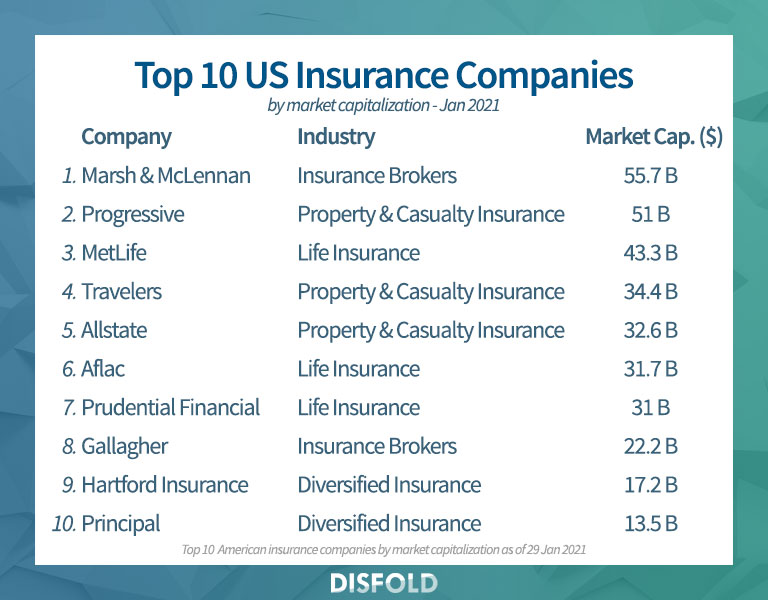
The U.S. insurance industry is a powerhouse, with several companies spearheading innovation and reliability. These giants are renowned for their robust financial performance, comprehensive coverage options, and exceptional customer service.
In the competitive world of insurance, certain companies have distinguished themselves as leaders due to their outstanding market presence and customer trust. These companies are evaluated based on criteria such as market share, customer satisfaction, financial stability, and industry reputation.
Top Insurance Companies and Their Key Metrics
Here is a detailed look at some of the leading insurance companies in the United States, showcasing their headquarters, founding year, and market share. This table highlights the insurance industry’s creme de la creme:
| Company Name | Headquarters Location | Year Founded | Market Share |
|---|---|---|---|
| State Farm | Bloomington, Illinois | 1922 | 17.0% |
| Berkshire Hathaway (GEICO) | Omaha, Nebraska | 1936 | 13.5% |
| Progressive Corp | Mayfield, Ohio | 1937 | 12.2% |
| Allstate | Northfield Township, Illinois | 1931 | 9.0% |
| USAA | San Antonio, Texas | 1922 | 6.0% |
Historical Growth and Development of Top Companies
The journey of these top insurance companies is marked by innovation, expansion, and a commitment to customer-centric strategies. For instance, State Farm, founded in 1922, transformed from a small mutual auto insurer to a diverse group serving millions of clients. Its ability to adapt to changing market conditions and customer needs has been pivotal in maintaining its leadership position.
GEICO, a subsidiary of Berkshire Hathaway, has witnessed exponential growth through its focus on direct-to-consumer marketing and competitive pricing strategies, making it one of the most recognized insurance brands today. Progressive Corp has been at the forefront of technological advancements in the industry, offering unique products like usage-based insurance that appeal to modern consumers.
Allstate’s success is attributed to its aggressive acquisition strategy and robust marketing campaigns, while USAA continues to win customer loyalty by catering specifically to military personnel and their families, ensuring they receive personalized and comprehensive coverage.
Understanding the history and strategy of these companies reveals the keys to their sustained success and enduring leadership within the insurance sector.
Market Share and Financial Performance
The insurance landscape in the United States presents a competitive array where giants vie for dominance through strategic market positioning and robust financial health. Let’s delve into the specifics of market share and financial performance of these leading companies.
Understanding the market share and financial performance of these industry leaders not only highlights their current standing but also provides insights into the dynamics that fuel their success or highlight their challenges.
Comparative Financial Metrics of Top Insurers
The following table provides a clear comparison between some of the leading insurance companies by their market share, revenue, profit, and growth rate. This data is instrumental in identifying trends and pinpointing what makes certain companies thrive while others grapple with market pressures.
| Company Name | Revenue (in billions) | Profit (in billions) | Growth Rate (%) |
|---|---|---|---|
| State Farm | 78.3 | 5.6 | 3.2 |
| Berkshire Hathaway | 72.5 | 7.7 | 4.1 |
| Progressive | 47.8 | 3.9 | 5.2 |
| Allstate | 44.6 | 4.0 | 2.5 |
| Liberty Mutual | 43.2 | 2.6 | 2.8 |
The aforementioned companies demonstrate varied growth rates, revenue streams, and profit margins, which are directly influenced by a range of strategic factors. These include their ability to effectively manage risk, customer loyalty, product diversification, and technological investment. For instance, a company like Progressive, with a 5.2% growth rate, highlights its focus on innovative digital solutions and customer-centric products. In contrast, Liberty Mutual faces challenges in maintaining a competitive edge, as evidenced by its comparatively low profit margins.
In the fierce arena of insurance, only those who adapt to the evolving landscape shall reign supreme.
Continued analysis of these metrics not only serves shareholders and analysts but also helps potential clients make informed decisions when choosing their insurance provider.
Product and Service Offerings
In the dynamic world of insurance, top companies in the United States are redefining how they deliver value to their customers through a wide array of products and services. Their offerings span various sectors to ensure comprehensive coverage for every need.
The diversification of products not only helps in risk management but also enhances customer satisfaction by offering tailored solutions. This strategic variety allows insurance companies to cater to different market segments effectively.
Innovative Insurance Products and Services
Leading insurers are stepping beyond traditional boundaries to create innovative insurance products that address emerging risks and customer demands. With advancements in technology, companies now offer products like cyber insurance, usage-based auto insurance, and parametric insurance for climate risks. These offerings not only appeal to tech-savvy consumers but also protect against modern-day threats.
- Cyber Insurance: Protects businesses from internet-based threats and data breaches, offering both financial coverage and expert advice on risk management.
- Usage-Based Auto Insurance: Leverages telematics to tailor premiums based on individual driving habits, promoting safer driving behaviors.
- Parametric Insurance: Provides quick payouts for pre-defined events like natural disasters, enhancing financial resilience for affected individuals and businesses.
Comparative Overview of Company Offerings
Below is a comparative table that highlights the diverse product categories and unique offerings from some of the top insurance companies in the United States:
| Company | Product Categories | Unique Offerings |
|---|---|---|
| State Farm | Auto, Home, Life | Drive Safe & Save™ Program for auto insurance |
| Allstate | Auto, Home, Renters | Milewise™ Pay-per-mile insurance |
| Progressive | Auto, Motorcycle, Commercial | Snapshot® Personalization for auto premiums |
| AIG | Life, Retirement, Travel | Travel Guard® for comprehensive travel protection |
Competitive Advantages of Diverse Portfolios
By offering a wide range of products, top insurers can achieve a competitive edge through risk diversification and market penetration. This approach allows companies to cater to varying customer preferences and financial abilities, ensuring they remain relevant in a rapidly changing landscape. Insurers with comprehensive portfolios can better withstand market fluctuations and economic downturns, as they are not overly reliant on a single product line.
“A diverse portfolio is not just a safety net; it’s a proactive strategy for sustained growth and customer loyalty.”
Customer Satisfaction and Reviews
In the world of insurance, customer satisfaction serves as a pivotal barometer of success. The leading insurance companies in the United States are constantly striving to not only meet but exceed their customers’ expectations.
Analyzing feedback from policyholders provides valuable insights into the strengths and weaknesses of these companies. From quick claim processing to the availability of comprehensive coverage options, customer reviews shed light on what truly matters to insurance consumers.
Understanding Customer Satisfaction Scores
Measuring customer satisfaction involves gathering data on how policyholders perceive the services provided by their insurers. This often includes the speed and effectiveness of claim settlements, the clarity of policy terms, and the responsiveness of customer service representatives. High satisfaction scores are frequently awarded to companies that excel in these areas, building a reputation for reliability and trustworthiness.
Here is a snapshot of how some of the top insurance companies in the U.S. are rated by their customers:
| Company Name | Customer Satisfaction Score | Notable Reviews |
|---|---|---|
| State Farm | 89% | “Efficient claim process and friendly agents.” |
| Geico | 87% | “Affordable premiums with excellent customer support.” |
| Progressive | 85% | “Wide range of coverage options and flexible policies.” |
| Allstate | 83% | “Comprehensive coverage with helpful customer service.” |
Impact of Customer Service on Brand Loyalty
The influence of customer service on brand loyalty cannot be understated. An efficient and empathetic customer service experience can transform a satisfied customer into a loyal advocate for the brand. Companies that prioritize customer experience often enjoy a reputation that attracts new clients and retains existing ones.
In the competitive landscape of insurance, word-of-mouth referrals and positive reviews are invaluable assets. By investing in exceptional customer service, insurance companies not only enhance their brand image but also ensure sustained growth in customer retention.
“Customer service is not a department—it’s a philosophy.” – Shep Hyken
Technological Innovations and Digital Transformation
In an era where technology dictates progress, the insurance industry in the United States is embracing digital transformation to stay competitive and efficient. The integration of innovative technologies is reshaping how insurance companies operate, interact with customers, and deliver services.
These advancements are not just about keeping pace with technological trends; they represent a paradigm shift in the traditional insurance model. With the adoption of cutting-edge technologies, leading insurance firms are enhancing their operational capabilities, improving customer experiences, and achieving better risk management.
Revolutionizing Operations with Advanced Technologies
Top insurance companies are leveraging a range of technological advancements to overhaul their operations. From artificial intelligence (AI) to blockchain, these innovations are enabling insurers to streamline processes and deliver personalized services. AI, for instance, is being used to enhance data analytics, resulting in more accurate risk assessments and customized policy offerings.
Furthermore, digital transformation strategies such as cloud computing and Internet of Things (IoT) integration are providing insurers with scalable solutions and real-time data access. These tools not only improve operational efficiency but also enhance customer interactions by enabling seamless communication across various platforms.
Success Stories of Technological Implementations
Several leading insurance companies have successfully implemented technology to drive business growth and customer satisfaction. For example, a major insurer implemented AI-driven chatbots to handle customer inquiries, significantly reducing response times and improving user engagement.
Additionally, blockchain technology has been adopted to enhance transparency and security in transactions, fostering greater trust among policyholders. Drones, as another innovative tool, are being used for claims assessments, allowing for quicker and more accurate evaluations without the need for physical inspections.
| Company Name | Technology Used | Benefits Achieved |
|---|---|---|
| Progressive | AI-powered Chatbots | Reduced response time, increased customer engagement |
| Allstate | Blockchain | Enhanced transaction transparency and security |
| State Farm | Drones | Efficient and accurate claims assessments |
“The insurance sector is not just witnessing a digital transformation; it’s experiencing a technological revolution that is set to redefine the future of insurance.”
Regulatory Compliance and Ethical Practices
In the complex landscape of the U.S. insurance industry, regulatory compliance and ethical practices are not just essential; they are the lifeline that upholds the integrity of the sector. Ensuring adherence to these standards is crucial for maintaining public trust and fostering long-term success.
Insurance companies in the United States operate under a vast and intricate regulatory framework. These regulations are designed to protect consumers, ensure financial stability, and promote fair practices. Ethical conduct goes hand in hand with compliance, serving as the cornerstone of a trustworthy relationship between insurers and their clients.
Understanding Regulatory Requirements
The regulatory landscape for insurance companies in the U.S. is primarily governed by state laws, with each state having its own set of regulations. This means insurers must navigate a patchwork of compliance requirements. Key areas of regulation include financial solvency, consumer protection, and market conduct. Companies must also adhere to federal laws such as the Affordable Care Act and the Health Insurance Portability and Accountability Act (HIPAA).
To illustrate the complexity, consider the requirement for maintaining adequate reserves to meet future claims. This ensures that insurers can fulfill their promises to policyholders, safeguarding the financial system’s stability and reliability.
Examples of Ethical Practices
Leading insurance firms distinguish themselves through robust ethical practices. These practices encompass transparency in communication, fair treatment of claims, and responsible marketing strategies. For instance, a company that consistently provides clear policy terms and conditions, without hidden clauses, demonstrates a strong commitment to ethical behavior. Ethical practices such as these not only comply with regulations but also enhance consumer trust and loyalty.
Compliance Challenges and Resolutions
Even with stringent compliance measures in place, challenges are inevitable. A common issue is navigating the diverse regulatory requirements across different states. Companies have addressed these challenges by investing in advanced compliance management systems that streamline processes and ensure uniformity.
“Navigating regulatory complexities requires a proactive approach and a commitment to ethical excellence.”
Case in point, when a major insurer faced allegations of unfair claim denials, the company launched an internal audit and revamped its claims process, demonstrating accountability and restoring public confidence.
Influence of Ethical Practices on Reputation
Ethical practices are more than just a regulatory requirement—they are a powerful influence on a company’s reputation. Trust is the currency of the insurance industry, and firms that uphold high ethical standards often enjoy greater consumer loyalty. Clients are more likely to recommend a company that operates with integrity and transparency.
Moreover, in today’s digital age, social media and online reviews amplify the impact of ethical conduct. Positive customer experiences shared online can significantly boost a company’s image, while negative reviews can have the opposite effect. Thus, maintaining ethical practices is not just about compliance; it’s an investment in a company’s brand and future.
Closure
As we conclude our journey through the landscape of the leading insurance companies in the United States, it’s evident that their success is built on a foundation of trust, innovation, and commitment to excellence. By continually adapting to market demands and embracing technology, these companies not only secure their position at the top but also redefine the future of the insurance industry.
Their stories of resilience and transformation inspire both consumers and competitors to think beyond the ordinary. As you navigate your own paths of insurance needs, remember the power and impact of these industry leaders and the promise they hold for a more secure tomorrow.

